Why Is Dental Treatment in Turkey So Cheap? (Prices, Safety & What Patients Should Know)
If you’ve been researching dental treatment in Turkey, you’ve probably noticed the prices are often significantly lower than in the UK, Europe, or the US. That raises a fair question: is the difference just cost, or does it mean lower standards?
This guide explains why prices are lower, what to check before booking, and what the realistic risks are, not just the benefits, so you can make an informed decision.
Quick Answer: Why Is Dental Treatment in Turkey Cheaper?
Dental treatment in Turkey is generally more affordable because of lower operating costs, competitive lab pricing, favorable exchange rates for UK, US, and European patients, and high patient volume. Lower cost doesn’t automatically mean lower quality. It also doesn’t remove the risks that come with any dental procedure, or the extra planning that comes with having treatment abroad.
Cost drivers include:
- Lower operating costs for dental specialists (rent, staff, utilities)
- Competitive laboratory and material costs, often with in-house labs
- Favorable exchange rates for UK, US, and European patients
- High patient volume and efficient scheduling
- Government investment in international patient infrastructure
The Risks You Should Know
Any dental procedure carries risk, whether it’s done in Turkey, the UK, or anywhere else. Implants can fail to integrate, veneers and crowns require permanent removal of tooth enamel, and infections or nerve damage are possible with any invasive procedure. Fast turnaround times can be a real advantage, but only when there’s still a thorough clinical assessment (not just photos) before any tooth is touched, and a clear plan for follow-up care if something goes wrong after you’ve returned home.
No legitimate clinic can honestly guarantee a specific outcome, and it’s worth being cautious of any provider that claims otherwise.
Lower Operating Costs
Running a dental practice costs less in Turkey than in the UK, Europe, or the US. Rent, staff salaries, and daily operating expenses are all lower. That gap is the single biggest reason prices differ, and on its own it isn’t evidence of lower quality.
Why Veneer and Crown Pricing Is Competitive
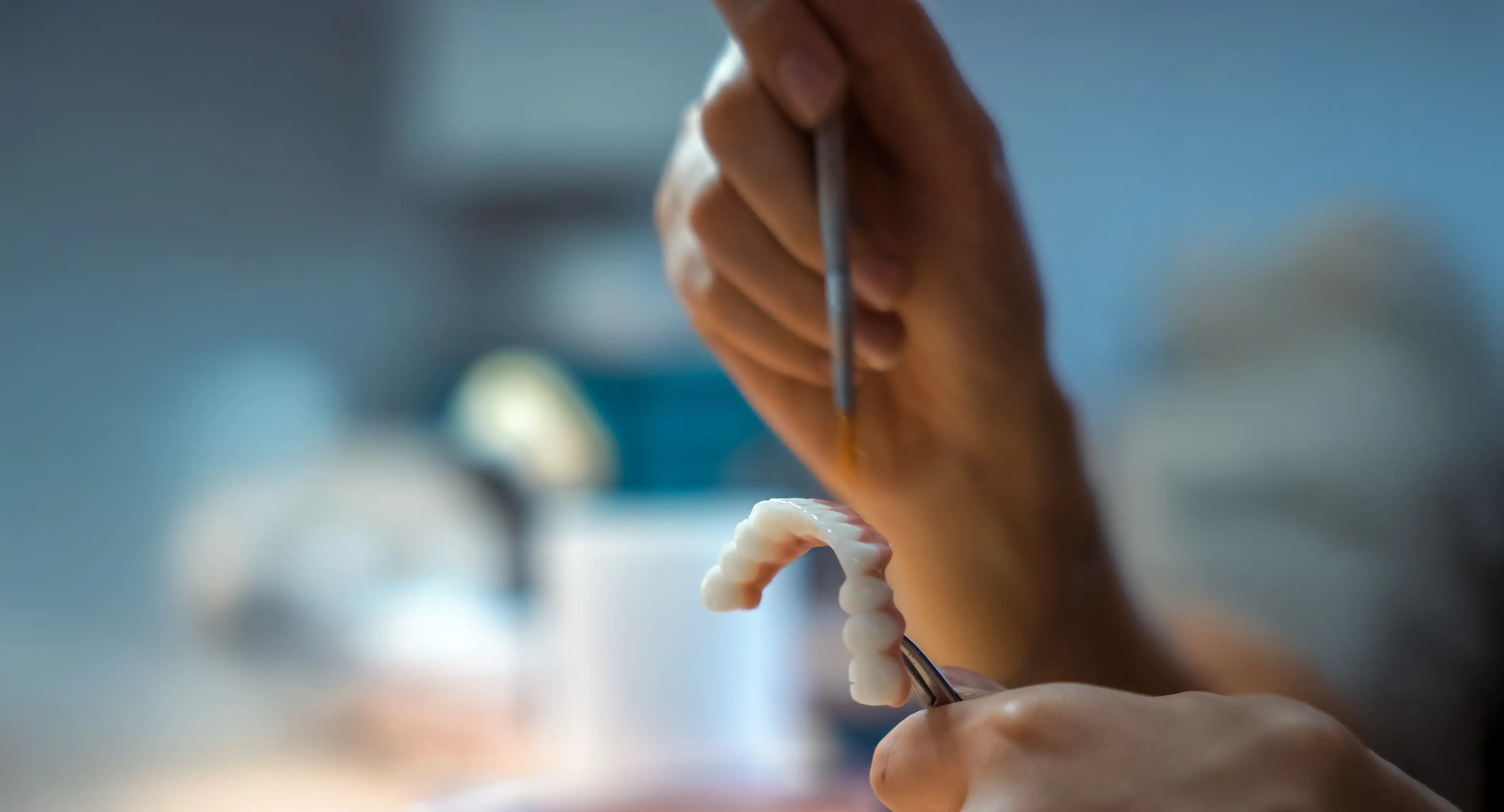
Veneers and crowns require lab-made restorations. Many dental clinics in Turkey run in-house labs with lower material costs and faster turnaround, which brings prices down without necessarily changing the materials used. Ask specifically what your restorations will be made from (e.max, zirconia, etc.) and get it in writing.
Exchange Rates and Patient Volume
For UK, US, and European patients, currency differences add to the savings. Combined with high patient volume and efficient scheduling, many providers can offer shorter waiting times and faster treatment completion than patients may be used to at home.
Government Investment in International Patient Care
Turkey has invested significantly in healthcare infrastructure aimed at international patients, which has helped providers scale services for people traveling from abroad.
Why Is Treatment Often Faster Than in the UK or USA?
In the UK and much of Europe, dental treatment can take weeks or months due to waiting lists and separate lab turnaround times. Many dental clinics in Turkey structure appointments back-to-back for international patients, and in-house labs speed up production. As a general guide, veneers are often completed within a week and implants typically require two visits, but exact timelines depend entirely on your individual case and should be confirmed only after a proper clinical evaluation, not from photos alone.
Important: a treatment plan based on photos or X-rays sent in advance is preliminary. A confirmed plan requires an in-person clinical evaluation, and reputable providers will say so clearly rather than promising a fixed plan sight-unseen.
Is Dental Treatment in Turkey Safe?
It can be, with the right provider, but “safe” isn’t a blanket guarantee for any dental procedure, anywhere. What actually reduces risk:
- Dental clinics in Turkey commonly use internationally recognized implant systems, including Straumann, Nobel Biocare, and Osstem
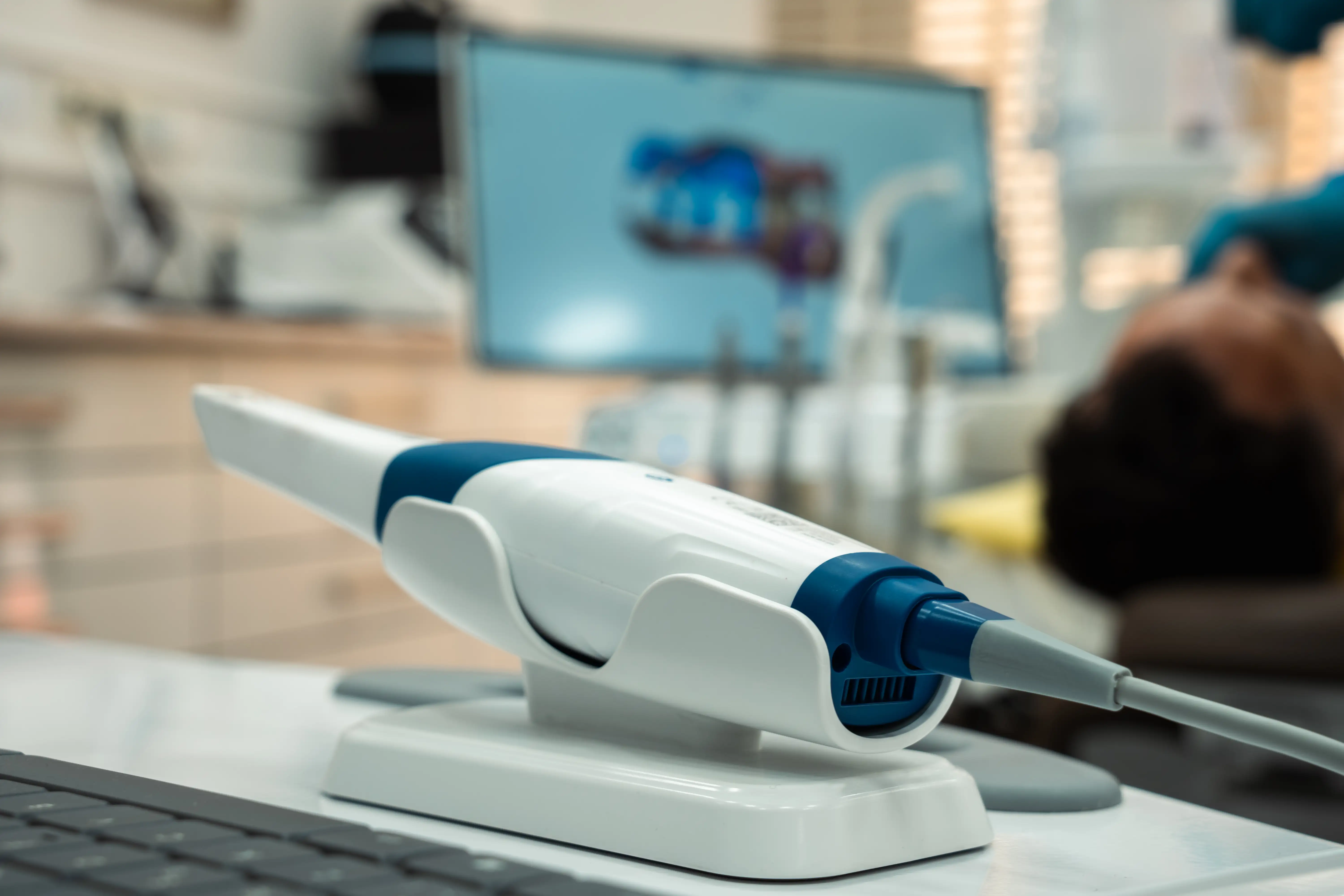
- Digital smile design and 3D imaging for planning
- A dentist you can verify is licensed and practicing
- A clear, written aftercare and follow-up plan, including what happens if something goes wrong once you’re home
- A dedicated coordinator for questions before and after treatment
None of this is unique to Turkey. The point is to check for it, wherever you’re being treated.
What to Check Before Choosing a Provider
- Independently verifiable patient reviews, not just testimonials on the clinic’s own site
- Genuine before-and-after cases, with context on how typical the result is
- A detailed written treatment plan and full cost breakdown before you travel
- Transparency about materials, brands, and the dentist’s qualifications
- A clear answer to what happens if you need follow-up care after you’re home
Frequently Asked Questions
Why are veneers cheaper in Turkey?
Mainly due to lower lab and operational costs and efficient workflows for international patients. Materials like full-zirconia and e.max can be comparable in quality to UK or US practices, but confirm this with your specific provider rather than assuming it.
Is dental treatment in Turkey safe?
It can be safe when performed by a licensed, experienced provider with proper planning and aftercare, the same standard that applies anywhere. As with any dental procedure, risks exist, including implant failure, infection, or the need for revision, and no provider can guarantee outcomes.
How much can I save with dental treatment in Turkey?
Savings vary by treatment plan, materials, and individual case. There’s no single figure that applies to everyone.
What is the dental implants Turkey cost?
This depends on the number of implants, brand, and your individual case. A written quote following a proper evaluation is the only reliable figure.
Why is dental treatment more expensive in the UK or USA?
Higher operational costs, staff wages, and regulatory or insurance overhead all contribute. That’s part of why many patients look at treatment abroad, alongside weighing the practical trade-offs of travel and follow-up care.
What does “Turkey Teeth” mean?
“Turkey Teeth” is an informal term used online to describe cosmetic dental work done in Turkey, not a specific treatment. It’s also become associated, fairly or not, with cases where teeth were prepared too aggressively or results didn’t hold up. The right treatment depends entirely on an individual’s oral health and goals, decided after a proper evaluation, not a trend.
Is it worth getting dental work done in Turkey?
For many patients, yes, but it depends on individual needs, budget, and willingness to manage the practical realities of aftercare from abroad. It’s worth weighing against local options, including any payment plans or discounts available where you live.
How many trips do dental implants require?
Typically two: an initial visit for consultation and implant placement (plus any grafting if needed), and a second visit after healing for the final restoration. Timelines vary by individual healing and treatment plan.
Final Thoughts
Lower prices in Turkey are mainly explained by a different cost structure, not lower standards. But “lower cost, similar quality” is a general pattern, not a guarantee for any specific provider. The right decision comes down to checking credentials, getting a written plan, understanding the risks like you would for any dental procedure, and having a clear answer for what happens if you need follow-up care once you’re home.
Medical Review: This article was reviewed in collaboration with Dr. Taha A. Göktaş (dentist, private practice, Istanbul, Turkey) and our international patient coordination team. It is for general educational purposes and does not replace individualized professional advice. A confirmed treatment plan requires an in-person clinical evaluation and, where needed, diagnostic imaging.
Ready to explore your options? Send us your photos or X-rays for a preliminary assessment, and our team will explain next steps, including what a full in-person evaluation would involve, with no obligation.