

Are Dental Implants Painful?
If you’re thinking about getting dental implants, there’s one question that almost everyone asks first:“Is it going to hurt?”
It’s completely normal to feel nervous about any dental procedure, especially one that involves surgery. Many patients imagine dental implant surgery to be painful or uncomfortable.
The good news is that most people are pleasantly surprised by how manageable the procedure actually is.
Modern dental implant techniques, effective anesthesia, and careful treatment planning make the process much more comfortable than many patients expect.
Let’s take a closer look at what you can realistically expect before, during, and after dental implant surgery.
Is the Implant Procedure Painful?
During the implant procedure itself, you should not feel pain.
Dental implant surgery is performed under local anesthesia, which completely numbs the treatment area. This means you may feel some pressure or gentle movement during the procedure, but you should not feel sharp pain.
Your dentist carefully ensures that the area is fully numb before starting the procedure.
For patients who feel anxious about dental treatment, additional options such as sedation can make the experience even more relaxed and comfortable.
Many patients say that the anticipation of pain is actually much worse than the procedure itself.
What Does It Feel Like After Dental Implant Surgery?
After the anesthesia wears off, it’s normal to experience some mild symptoms as the body begins the healing process.
Common sensations after dental implant surgery may include:
- Mild swelling
- Slight tenderness around the implant site
- Minor discomfort during the first few days
Most patients describe the feeling as similar to having a tooth extraction. The discomfort is usually temporary and manageable.
Pain after dental implants is generally controlled with:
- Prescribed or over-the-counter pain medication
- Ice packs applied during the first day
- Rest and avoiding strenuous activity
For many people, discomfort improves significantly within the first few days as the implant recovery process progresses.
Do All-on-4 or Full Mouth Implants Hurt More?
This is another common concern among patients considering larger implant treatments.
Procedures like All-on-4 or full mouth dental implants may sound more complex, but they are still performed using proper anesthesia or sedation to ensure patient comfort.
Because modern dental implant surgery is carefully planned in advance, the procedure is often more efficient than patients expect.
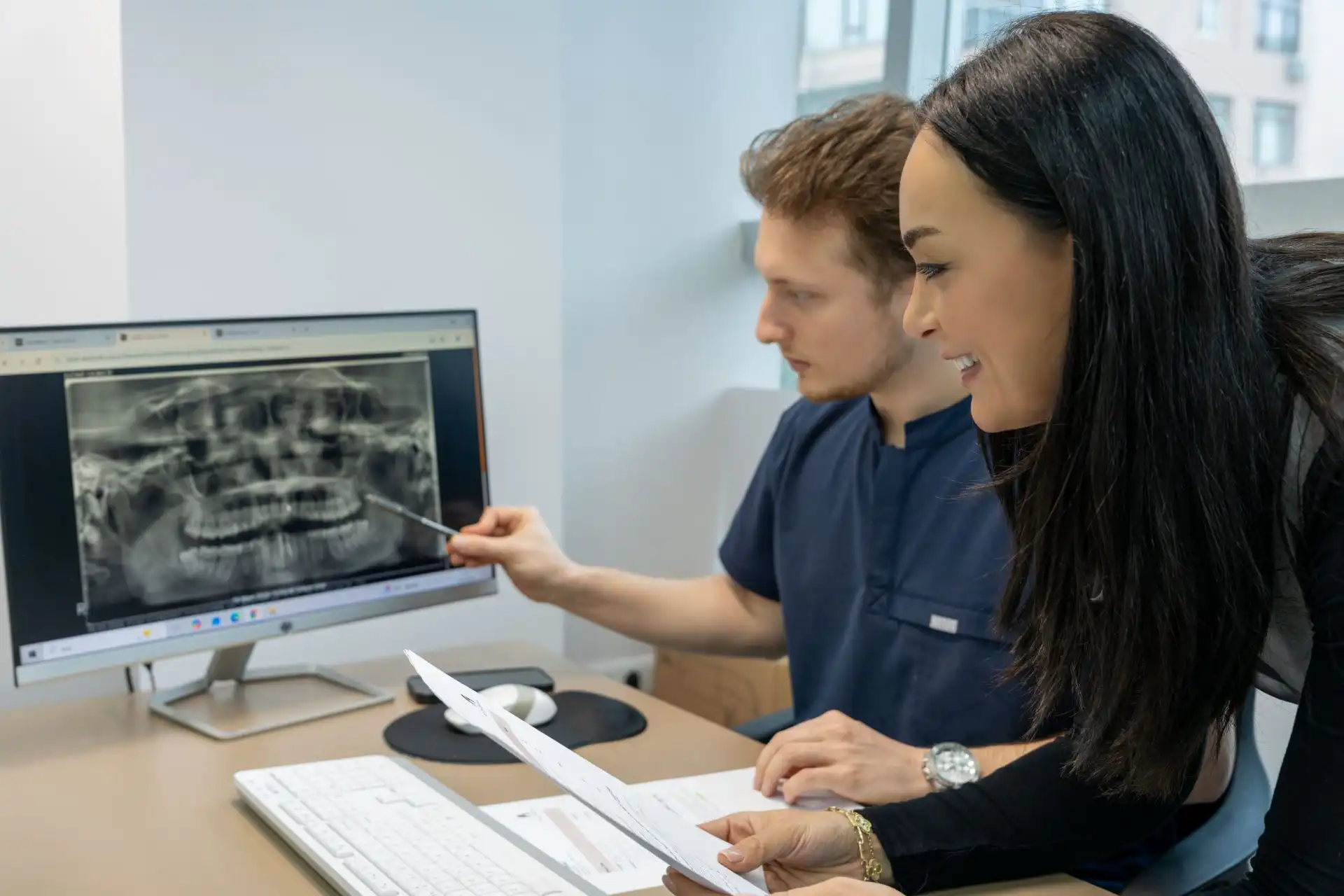
Dentists typically use 3D imaging and digital planning technology to determine the precise implant positions before the surgery even begins. This allows for accurate placement and can help reduce unnecessary trauma to the surrounding tissues.
Although some swelling or discomfort may occur afterward, most patients report that the recovery is very manageable.
What Sedation Options Are Available?
For patients who feel nervous about pain or dental procedures in general, sedation can be very helpful.
Sedation allows you to remain relaxed and comfortable throughout the implant surgery.
Common options include:• Local anesthesia: numbs the treatment area while you remain awake• IV sedation: helps you feel deeply relaxed during the procedure
Your dentist will recommend the safest and most appropriate option based on your medical history, comfort level, and treatment plan.
Many anxious patients say that with sedation, the procedure feels much easier than they expected.
Some even say they remember very little about the treatment afterward.

What Makes Dental Implant Surgery More Comfortable Today?
Dental implant procedures today are very different from how they were performed 15–20 years ago.
Advances in technology have made implant surgery safer, more precise, and much more comfortable for patients.
Modern clinics often use:
- 3D CT scans to analyze bone structure
- Digital surgical guides for precise implant placement
- Minimally invasive techniques
- High-quality implant systems
These technologies allow dentists to plan the procedure carefully and place implants with a high level of accuracy.
As a result, there is often less tissue trauma, less swelling, and a smoother recovery for patients.
This is one of the main reasons why many people report that pain after dental implants is minimal.
When Should You Be Concerned?
Some mild discomfort after dental implant surgery is normal.
However, you should contact your dental clinic if you notice symptoms such as:
- Severe or increasing pain after several days
- Excessive swelling that continues to worsen
- Fever or feeling unwell
- Unusual or persistent bleeding
These situations are uncommon, especially when dental implant surgery is properly planned and post-treatment instructions are followed.
If you ever feel unsure about your recovery, it is always best to contact your dentist for reassurance and advice.
Frequently Asked Questions
How long does pain after dental implants last? Most patients experience mild discomfort for two to three days after dental implant surgery. Any soreness usually improves quickly as the healing process continues.
When can I return to work after implant surgery? Many patients return to work within one or two days, especially if their job is not physically demanding. Your dentist will advise you based on your individual treatment.
Are dental implants more painful than tooth extractions? In many cases, patients report that implant surgery feels similar to or even easier than a tooth extraction. Modern techniques help make the procedure very manageable.
What helps reduce pain after dental implant surgery? Rest, prescribed medication, and applying ice packs during the first day can help reduce swelling and discomfort.
Final Thoughts
So, are dental implants painful? In most cases, not in the way people expect.
The implant procedure itself is performed under anesthesia, and any discomfort afterward is usually mild and temporary.
Modern dental implant surgery is designed to be precise, efficient, and comfortable for patients.
Very often, the fear of pain is much greater than the actual experience.
If you’ve been delaying treatment because of concerns about pain, you’re definitely not alone. The best step is simply to talk openly with your dentist, ask questions, and understand what the procedure involves.
Having clear information can make the decision much easier.
Book Your Consultation
If you’re considering dental implants and would like honest answers about pain, recovery, and sedation options, our team is here to help.
Book your consultation today and receive a personalized treatment plan tailored to your needs, so you can move forward feeling informed and confident.